
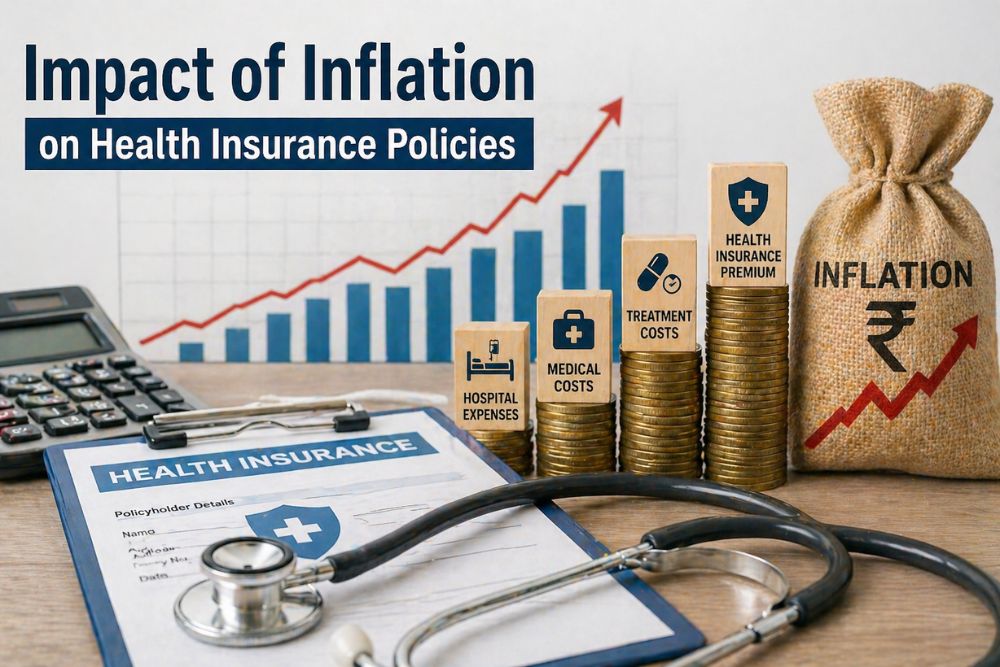
In the rapidly changing economic landscape, inflation has emerged as a key factor influencing multiple sectors, including health insurance. As healthcare costs continue to surge, you may find that the premiums on your health insurance policies seem to rise inexplicably. Understanding the connection between inflation and these rising costs can offer better clarity and help you manage your expenses more effectively. This article delves into the crux of inflation’s impact on health insurance, highlights key health insurance trends in India for 2026, and provides actionable tips to navigate through these financial nuances.
Inflation in Health Insurance
Inflation in the realm of health insurance refers to the rise in prices of healthcare services and products, which eventually affects the cost of health insurance premiums. As economic conditions fluctuate, the healthcare industry is not insulated from these changes. You might notice that medical services and products are getting costlier over time, influenced by various market dynamics such as demand and supply, advances in medical technology, and regulatory changes.
This inflationary trend impacts not just the direct costs like hospital bills and medication, but also increases the overall cost burden on insurance providers. Insurers, facing higher costs, may pass those increases onto you, the policyholder, in the form of higher premiums. Hence, understanding these economic indicators and trends can offer you insights into expected fluctuations in your health insurance expenses.
Impact on Insurance Premiums
The direct impact of inflation and health insurance premiums is evident in the rising annual costs faced by policyholders. Premiums are generally calculated based on the anticipated costs of medical care, administrative costs, and any expected claims. When these anticipated costs rise due to inflation, premiums tend to rise accordingly.
Several components contribute to this impact:
- Medical Inflation: As the costs of healthcare facilities and services rise, insurers adjust premiums to reflect these higher expenses.
- Provider Expenses: Insurance companies deal with increased operational expenses which can lead to higher premiums.
Moreover, insurers often set higher reserve funds to manage any future claims, adding another layer to premium costs. With inflation driving these reserves up, the cost inevitably trickles down to you. This financial adjustment serves as a mechanism to maintain the solvency and strength of insurance providers, ensuring they are equipped to meet their obligations.
Why Health Insurance Costs Are Rising
The escalating costs of health insurance premiums are not solely due to inflation but are also influenced by numerous interconnected factors. For instance, rapid advancements in medical technology mean better healthcare but also entail higher costs. As new treatments and diagnostic methods become available, they also come at a higher cost.
Moreover, an increase in the prevalence of lifestyle diseases has led to a higher demand for healthcare services. As you might need more frequent and varied healthcare interventions, health insurance premiums are likely to be adjusted upwards to accommodate the broader coverage requirements.
- Ageing Population: An ageing demographic tends to require more medical care, exerting additional pressure on healthcare systems and insurance premiums.
- Regulatory Changes: Changes in policies around insurance coverage can alter the landscape significantly, impacting your premium costs.
Having awareness of these trends and factors provides you with a more comprehensive understanding of why you may be facing rising health insurance costs, beyond inflation.
Government & Regulatory Role
Governments and regulatory bodies play a crucial role in the health insurance sector by enacting policies that can potentially curb or contribute to rising premiums. In many regions, including India, governmental interventions are becoming increasingly significant in regulating insurance practices and ensuring consumer protection.
Regulatory agencies might introduce measures to limit excessive premium hikes or ensure that any increases are justified within the larger context of economic scenarios. For example, price caps on specific procedures or medications could be mandated, directly affecting what insurers can charge you.
Furthermore, various state-sponsored health insurance schemes are evolving to balance public health coverage costs and affordability. As someone navigating this environment, being aware of your government’s policies and any new regulations can aid you in understanding how they might impact your health insurance policy and its associated costs.
Health Insurance Trends in India (2026)
Looking ahead to 2026, health insurance trends India 2026 indicate significant transformation driven by economic, demographic, and technological factors. Understanding these trends will be crucial for you to make informed decisions about your health coverage.
India’s growing urban population and the shift towards a more health-conscious society are expected to foster a demand for more comprehensive insurance solutions. You are likely to see a rise in telemedicine services, enhancing accessibility and efficiency in healthcare delivery. With technology integration, insurance firms are anticipated to provide more tailored policies based on individual health data.
- Digitization: The rise of digital platforms for insurance information and transactions is set to streamline processes for ease of access and transparency.
- Customizable Policies: Insurers are leaning towards providing customizable policies, allowing you to choose levels of coverage based on personal health needs.
This future-oriented approach places emphasis on predictive analytics, where predictive health profiling will offer insights into potential future healthcare expenditures, hence crafting more personalized insurance solutions.
Tips to Manage Rising Premiums
Managing the continuous rise in health insurance premiums requires proactive planning and strategic decisions. Here are some effective strategies to help reduce the financial impact on your insurance costs:
- Review & Compare Policies: Regularly reviewing and comparing available insurance policies allows you to choose the most cost-effective and comprehensive coverage options.
- Maintain a Healthy Lifestyle: Adopting healthy habits can reduce your reliance on medical services, potentially lowering your insurance premiums over time.
When it comes to renewal, consider opting for higher deductibles to lower premium costs if you have the financial backing to cover those unforeseen healthcare expenses independently. Additionally, participating in health and wellness programs may offer discounted rates on premiums, providing further savings.
It’s crucial to plan ahead by creating a financial buffer that accommodates these rising costs. Investing in personal health can be seen as investing in reducing long-term insurance costs, emphasizing preventive care over corrective measures.
Conclusion
As inflation continues to shape the economic landscape, understanding its impact on health insurance policies empowers you to make better strategic decisions. Anticipating economic shifts, alongside staying informed about policy changes, can help in preparing for potential premiums increases and managing the associated financial implications.
The key to adapting lies in awareness and proactive planning—recognizing that while inflation may be beyond your control you can certainly manage your response to its challenges. By staying informed and employing strategic measures, you can mitigate the impact on your health insurance expenses and secure a more stable financial future. As inflation and health insurance premiums continue to rise, staying informed and proactive will be key to managing your financial health effectively.